
How Does Stress Affect Your Oral Health?

Does Stress Affect Your Oral Health?? Stress is a normal part of life, and it is something everyone experiences at some point, whether it is work, studies, finances, relationships or unexpected life events. Most people know that stress can impact mental and physical health, but many don’t know it can have a big impact on oral health. Your mouth often reflects what’s happening in your body, and prolonged periods of stress can cause a number of dental problems that can impact your comfort, appearance and overall health.
The link between mental health and oral health is greater than that what many people realise. Stress affect your oral health, by altering your daily habits and may even refect the way how your jaw moves. Recognizing these effects will help you to spot early signs and take necessary measures to protect your smile.
How will the stress affect your Oral health?
Tooth Grinding /Bruxism
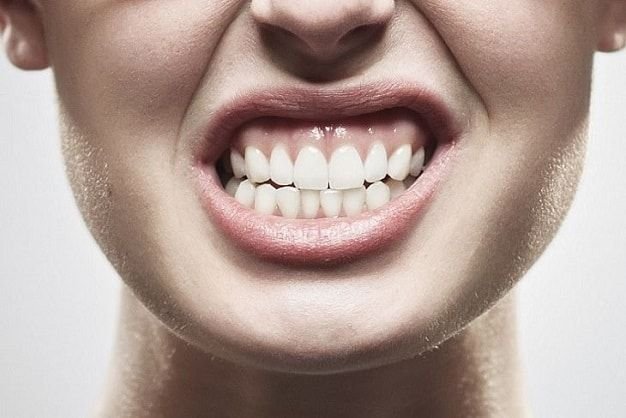
Stress over a longer period of time cab cause one of a common health problem that is bruxism (tooth grinding). Some people unconsciously grind and clench their teeth, during sleep. Some people may clench their teeth when concentrating, driving or in stressful situations.
- Erosion of the tooth
- Sensitive teeth
- Cracks and chips in the teeth
Severe bruxism can lead to permanent damage to teeth over time, necessitating restorative dental treatments like crowns, fillings, or even root canal therapy, if the tooth is significantly compromised.
Periodontal disease
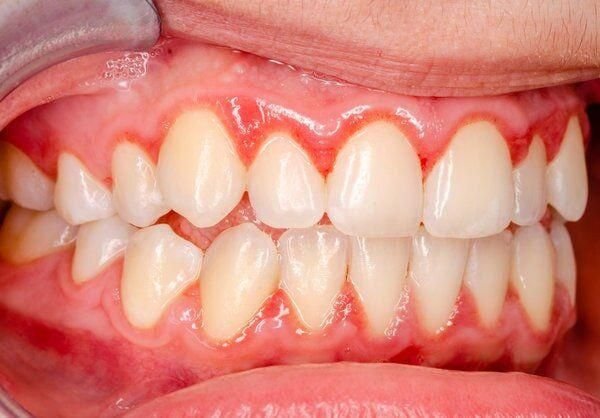
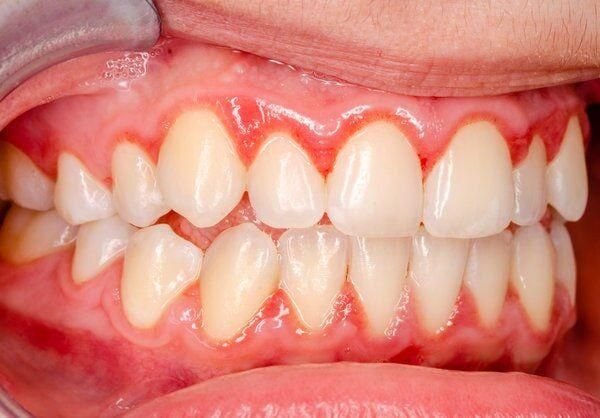
Stress can weaken the immune system, making it harder to fight off the bacteria that gather around the teeth and gums. Whenever the immune response is compromised, the gum tissues are more prone to the infections and inflammations. Stress can even cause the body to release increased level of hormones like cortisol, which can lead to inflammation all over the body, including the gum regions.
This leads to:
- Inflamed gums
- Bleeding gums
- Bad breath
If left untreated, gum disease can progress from gingivitis to periodontitis, a serious infection that destroys the tissues and bone that hold your teeth in place. This can ultimately result in tooth loss.
Dry Mouth
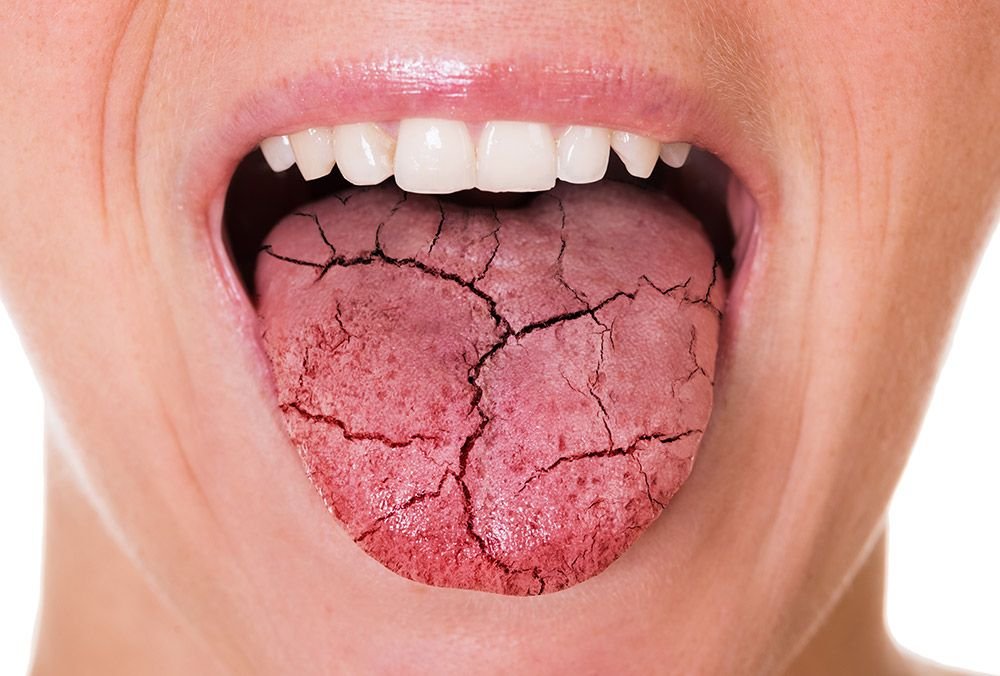
Stress can affect the normal production of saliva. Saliva helps keep your mouth healthy by washing away food, neutralising harmful acids and preventing bacteria from growing. When saliva production is reduced, the mouth can become dry and bacteria can multiply more easily.
As saliva helps protect teeth from bacteria, lack of it leads to:
- Cavities and Tooth Decay
- Persistent halitosis
- Trouble swallowing
- Burning sensation of the mouth
- Oral fungal infections
- Mouth – sores
- More plaque accumulation
Dry mouth can also be a side effect of some medications commonly prescribed for anxiety, depression or other stress related disorders, and can increase the risk of dental problems.
Poor Oral Hygiene Practices
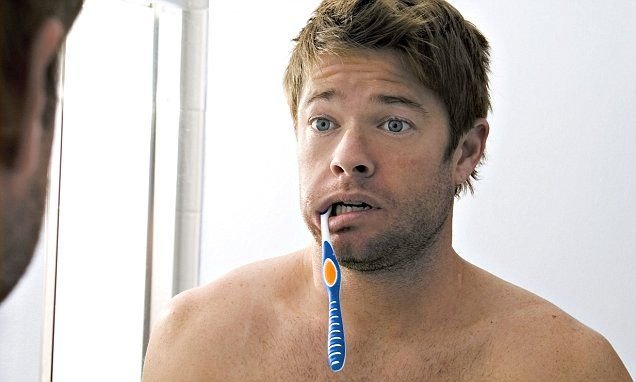
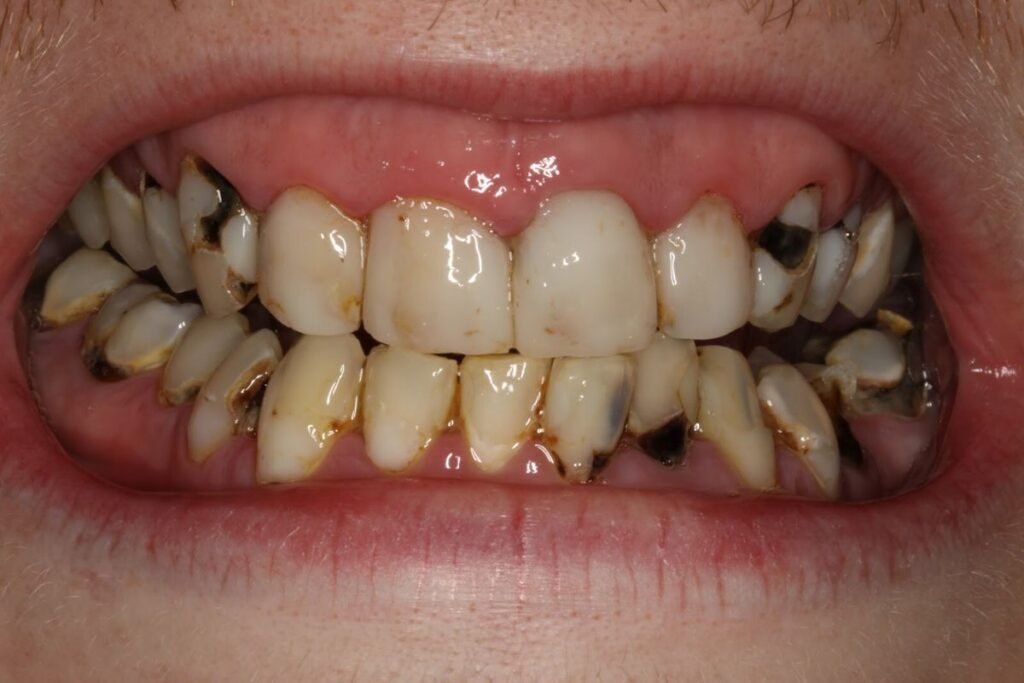
Disrupted daily routines are common among people under stress. Brushing twice a day and flossing regularly might not be such a big priority. Some people may not even visit the dentist or take care of their teeth.
Stress also affects eating habits. Many people, when they feel stressed, reach for sugary snacks, sweets, fizzy drinks or drinks containing caffeine. The more often you snack , the more sugar there is for bacteria to use . This increases acid production and risk of cavities .
Poor oral hygiene and unhealthy dietary habits can result in:
- Dental caries
- Formation of plaque
- Periodontal disease
- Halitosis (bad breath)
- Coffee and tea can stain teeth
TMJ Disorders and Jaw Problems
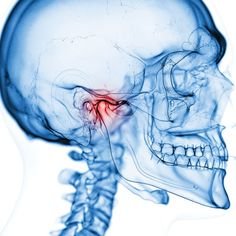
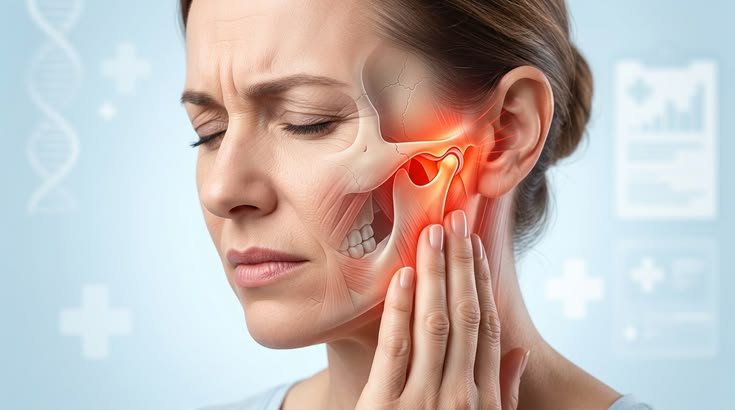
Stress often results in people tightening their jaw muscles, thereby putting undue pressure on the temporomandibular joint. This is the joint that attaches the jawbone to the skull.
This constant stress may result in temporomandibular joint disorders (TMD), resulting in symptoms like:
- Jaw pain and stiffness
- Jaw clicking/popping sound
- Difficulty in opening/closing the mouth
- Painful biting
- Ear pain
- Pain in neck and shoulders
- Headaches and migraines
Indicators of Mouth Problem Due to Stress
Dental problems associated with stress tend to progress gradually. It is important to pay heed to early symptoms to avoid future complications.
Be alert for:
- Symptoms of a tooth ache or sensitivity
- Pain in the jaw or stiffness
- Worn out, damaged or cracked teeth
- Headaches
- Dry mouth
- Bleeding gums
- Bad breath
- Problems chewing
- Clenched jaw
- Ulcers in the mouth
- Loose teeth
If any of these symptoms persist, it is advisable to visit a dentist.
Tips for keeping your teeth healthy.
- Brush twice daily and floss
- Use stress reduction practices like meditation, yoga, and exercise
- Ensure you get enough sleep
- Stay hydrated all day
- Eat less sugar and limit the usage of coffee
- Have regular check-ups at your dentist
Take Care of Your Mind and Your Smile
Stress can affect much more than your mood. It can influence your oral hygiene habits, eating patterns, saliva production, jaw muscles, and overall oral health.
Recognizing signs such as teeth grinding, jaw pain, dry mouth, bleeding gums, bad breath, or tooth sensitivity can help you seek professional advice before the problem becomes more serious.
Remember, a healthy mind supports a healthy body—and good stress management can also help protect your smile.
If you are experiencing persistent dental or jaw-related symptoms, consult a qualified dental professional for an appropriate examination and personalized advice.
FAQs
Q1: Can stress affect dental health?
The development of wisdom teeth is not universal.
Q2: How Painful Is Wisdom Tooth Removal?
Patients report having minimal pain removal of the wisdom tooth due to anesthesia and sedation.
Q3: Can Wisdom Teeth Grow Back?
No, wisdom teeth do not come back.
Q4: Is Surgery Always Necessary?
No. Wisdom teeth removal is only needed in the case of pain, infection and crowding.
Q5: How Much Does Wisdom Tooth Removal Cost in Bangalore?
Costs depends on the location, risk and the dentist. Check your address for more information.